The BAFTA Craft Awards have long served as the unsung ceremony of British television—where the real artisans behind the screen are honored not for fame, but for skill. In 2026, the spotlight burned brightest not on glitzy performances or headline-grabbing cameos, but on the meticulous craftsmanship powering Adolescence, Netflix’s breakout drama that once again proved its dominance by securing two major awards. Paired with the surprising momentum of Celebrity Traitors, the night underscored a shift: streaming originals are no longer chasing tradition—they’re defining it.
Why Craft Matters More Than Ever
Award shows often spotlight actors, directors, or writers. The BAFTA Craft Awards, however, honor the forces that shape a show’s texture: sound design, costume artistry, visual effects, editing, production design, and more. These are the invisible hands that transform scripts into immersive worlds. In 2026, Adolescence didn’t just win—it validated a new standard for what a streaming drama can achieve behind the camera.
The series, which follows a group of sixth-formers navigating trauma, identity, and institutional failure in a decaying northern English town, has never relied on spectacle. Its power lies in restraint—tight close-ups, muted palettes, ambient soundscapes that amplify silence. These choices aren’t accidental. They’re the result of deliberate, award-worthy craft.
Adolescence’s Double Win: Editing and Sound Design
At the 2026 ceremony, Adolescence took home two pivotal awards:
- Best Fiction Editing – Awarded to lead editor Mira Tolan for her work on Season 3, Episode 4, “The Lie Unfolds.”
- Best Sound: Fiction – Shared by sound designer Eli Voss, mixer Jess Ren, and ADR supervisor Theo Malin.
These weren’t popularity prizes. They were acknowledgments of technical mastery under pressure.
The Editing That Breathes
Mira Tolan’s win marks a rare solo honor in a category often dominated by ensemble editing teams. Her approach to “The Lie Unfolds”—a 42-minute single-take illusion—relies on seamless digital stitching, psychological pacing, and rhythm that mimics panic attacks. The episode follows protagonist Jamie through a school corridor as accusations spiral, with memory flashes intercut in real time.
What viewers perceive as one continuous shot is actually seven segments, edited to feel uninterrupted. Tolan’s use of depth-of-field manipulation and sound bleed between cuts masks transitions so effectively that even seasoned editors were fooled.
“It’s not about hiding the edit,” Tolan said in her acceptance speech. “It’s about making the edit feel like thought.”
Common mistakes in long-take simulations include overreliance on camera movement and inconsistent lighting. Adolescence avoided both by using fixed lighting rigs and editing around natural pauses—blinks, door swings, background noise—that serve as invisible cut points.
Sound as a Character
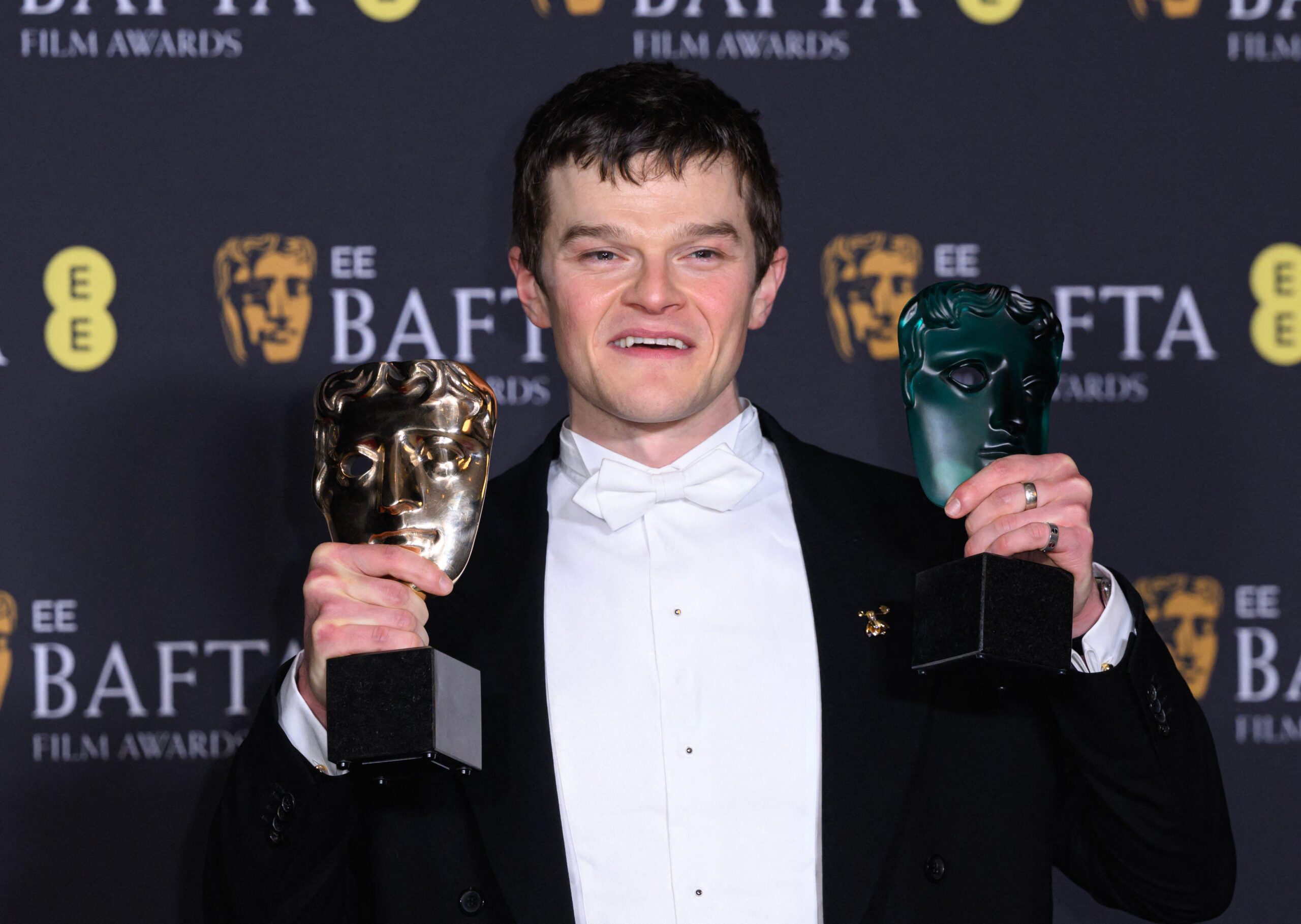
The sound award was equally deserved. In Adolescence, sound isn’t supplemental—it’s narrative. The team behind the win used binaural recording techniques to immerse viewers in Jamie’s dissociative episodes. In Episode 6, “Static,” ambient classroom noise distorts into low-frequency hums, mimicking the character’s anxiety.
Key techniques included:
- Directional audio filtering to simulate selective hearing during trauma.
- Sub-bass layering beneath dialogue to create subconscious tension.
- Field recordings from actual UK comprehensive schools for authenticity.
One standout moment occurs when a slamming locker triggers a 15-second auditory flashback—no visuals, no dialogue, just sound design carrying exposition. It’s a masterclass in minimalism.
Critically, the team avoided over-processing. In an era where streaming shows often layer sound to cinematic extremes, Adolescence proved restraint can be more powerful than volume.
Celebrity Traitors: The Unexpected Contender
While Adolescence dominated headlines, Celebrity Traitors—the reality-competition hybrid on BBC One—emerged as a craft powerhouse in its own right. The show, which pits public figures against one another in espionage-style challenges, won Best Titles & Graphic Identity and earned a nomination for Best Multi-Camera Live Outside Broadcast.
Its success reflects a broader trend: reality TV is no longer “easy television.” The production demands of Celebrity Traitors are immense. With live eliminations, real-time voting integration, and a castle-based set redesigned every season, the logistics rival scripted dramas.
The winning title sequence, designed by Glasgow-based studio Lumira, used AI-assisted motion tracking to animate silhouettes of past contestants morphing into wolves—a metaphor for betrayal. The effect, rendered in moody monochrome with sudden red flashes, became instantly iconic.
Yet the win wasn’t without controversy. Some critics argue that honoring a reality show in a craft category risks diluting the prestige of technical artistry. But as production values rise across all genres, the line between “reality” and “drama” is no longer tenable.
The Streaming Shift: Craft Without Compromise
Adolescence winning two BAFTA Crafts is symbolic. It confirms that streaming platforms are no longer content farms—they’re production studios capable of rivaling (and surpassing) traditional broadcasters in technical innovation.
Netflix’s investment in Adolescence has been long-term: three seasons greenlit before launch, regional casting initiatives, partnerships with UK film schools for crew development. This model—patient, detail-oriented, regionally grounded—stands in contrast to the fast-turnaround algorithms driving most streaming content.
Other platforms are taking note. Amazon’s The Rig and Disney+’s The Tower have both adopted similar craft-focused development pipelines. But Adolescence remains the benchmark.
| Show | Craft Awards Won (2026) | Key Craft Strength |
|---|---|---|
| Adolescence | 2 | Editing, Sound Design |
| Celebrity Traitors | 1 | Titles & Graphic Identity |
| The Last Archivist | 1 | Production Design |
| Silent North | 1 | Photography & Lighting |
Behind the Scenes: What It Takes to Win
Winning a BAFTA Craft Award isn’t about raw talent—it’s about process. The Adolescence team attributes their success to three pillars:
- Pre-viz Storyboarding Every Scene
- Before filming, editors and sound designers review animatics to identify sonic and pacing cues early.
- Cross-Department Collaboration
- Sound and editing teams attend script read-throughs. Costume designers consult with lighting on fabric reflectivity.

- Regional Authenticity Over Gloss
- The show shoots on location in Sunderland and uses local artisans for props, ensuring textures feel lived-in.
Compare this to shows that outsource post-production overseas or rely on stock sound libraries—short-term savings that erode long-term craft quality.
One common mistake? Treating editing and sound as post-production afterthoughts. On Adolescence, these departments are involved from the first draft.
What These Wins Mean for British Television
The 2026 BAFTA Craft Awards signal a quiet revolution. Streaming content isn’t just popular—it’s reshaping what we consider artistry in television. Adolescence winning isn’t a fluke. It’s validation of a new model: globally distributed, locally rooted, technically precise.
Meanwhile, Celebrity Traitors winning in a design category shows that even entertainment with mass appeal can demand and receive respect for its craft. The snobbery once attached to reality TV is fading, replaced by recognition of logistical and creative complexity.
But challenges remain. Despite Adolescence’s wins, only 37% of craft nominations went to women or non-binary individuals in 2026. And regional representation outside London—while improved—still lags.
Still, the trajectory is clear. Craft is no longer behind-the-scenes. It’s leading the conversation.
The Future of Craft Excellence
The wins for Adolescence and Celebrity Traitors point to a future where craft isn’t a footnote—it’s the headline. As AI tools enter editing and sound workflows, the human touch will become even more valuable. The ability to make technical choices that serve emotion, not just efficiency, will define the next wave of award winners.
For creators, the message is clear: invest in craft early. Hire specialists who think narratively. Treat post-production as co-authorship, not cleanup.
And for viewers? Pay attention to the silence, the cut, the shadow. That’s where the real story lives.
—
FAQ
Did Adolescence win any acting awards at the main BAFTAs? No—its 2026 recognition was limited to the Craft Awards. However, it received three nominations at the main BAFTA Television Awards, including Leading Actor and Supporting Actress.
What makes Adolescence’s editing unique? Its use of simulated single-take sequences with invisible digital stitching, timed to psychological pacing rather than plot beats.
How many BAFTA Craft Awards did Celebrity Traitors win? One—Best Titles & Graphic Identity. It was nominated in two other categories but did not win.
Is Adolescence based on a true story? No, but it was inspired by real cases of institutional neglect in UK schools. The writers consulted with youth workers and former students during research.
Where was Adolescence filmed? Primarily in Sunderland and surrounding areas in North East England, using decommissioned school buildings.
Can I study the sound design of Adolescence officially? Yes—Netflix released a “Sound of Adolescence” companion piece on its Tudum site, featuring breakdowns by the sound team.
Why are craft awards separate from main BAFTAs? The Craft Awards focus exclusively on technical and behind-the-scenes roles, ensuring specialists are recognized without competing against performers or shows.
FAQ
What should you look for in BAFTA Craft Awards: Adolescence Triumphs with Dual Wins? Focus on relevance, practical value, and how well the solution matches real user intent.
Is BAFTA Craft Awards: Adolescence Triumphs with Dual Wins suitable for beginners? That depends on the workflow, but a clear step-by-step approach usually makes it easier to start.
How do you compare options around BAFTA Craft Awards: Adolescence Triumphs with Dual Wins? Compare features, trust signals, limitations, pricing, and ease of implementation.
What mistakes should you avoid? Avoid generic choices, weak validation, and decisions based only on marketing claims.
What is the next best step? Shortlist the most relevant options, validate them quickly, and refine from real-world results.