
The Boys has never shied from blood, but episode 5 of its fourth season crosses a new threshold—not just in gore, but in how it weaponizes fame. This isn’t just shock for shock’s sake. It’s a calculated dismantling of celebrity culture, using cameos not as fan service, but as sacrificial pawns in a narrative that dissects power, adoration, and complicity. When the blood sprays, it’s not just Vought’s victims who are splattered—it’s the audience’s lingering reverence for the famous.
This episode doesn’t bring celebrity cameos. It slaughters them. And that’s the point.
Why This Episode’s Cameos Are More Than Just Shock Value
Most shows use celebrity appearances to generate buzz, often slipping in actors for a quick wink or viral moment. The Boys flips that script entirely. In episode 5, the cameos aren’t cameos in the traditional sense—they’re narrative landmines. Their presence isn’t to delight; it’s to destabilize.
Take the scene involving a well-known conservative media figure—let’s not name them, but you’ll know them the second they appear. They’re not playing a fictionalized version of themselves. They’re themselves, invited into a world where their real-world rhetoric has literal, explosive consequences. When Compound V hits the fan—literally—one of these figures becomes a grotesque cautionary tale, their face melting as their own propaganda echoes in the background.
It’s not satire. It’s exorcism.
The show’s writers, led by Eric Kripke, have long used hyper-violence as a metaphor. But here, the metaphor is surgical. Each cameo is selected not just for recognition, but for ideological weight. These aren’t random stars. They’re symbols—of misinformation, performative patriotism, toxic influence. And their violent ends aren’t arbitrary; they’re poetic justice served in slow, crimson-dripping motion.
The Anatomy of a Blood-Soaked Cameo: How The Boys Engineers Its Most Brutal Scenes
Let’s dissect one of the episode’s centerpiece moments: a late-night talk show parody where a famous comedian guest-star makes a fatal appearance. On the surface, it’s a nod to real-world late-night political humor. But the scene quickly spirals into horror when the host—a Vought-affiliated “ally” with a hidden agenda—accidentally triggers a Compound V-laced prop.
The result? A slow-motion explosion of gore that turns the studio into a slaughterhouse. Blood rains from the ceiling. Limbs are severed. The comedian, mid-punchline, is decapitated by a flying microphone stand.
What makes this more than just over-the-top violence?
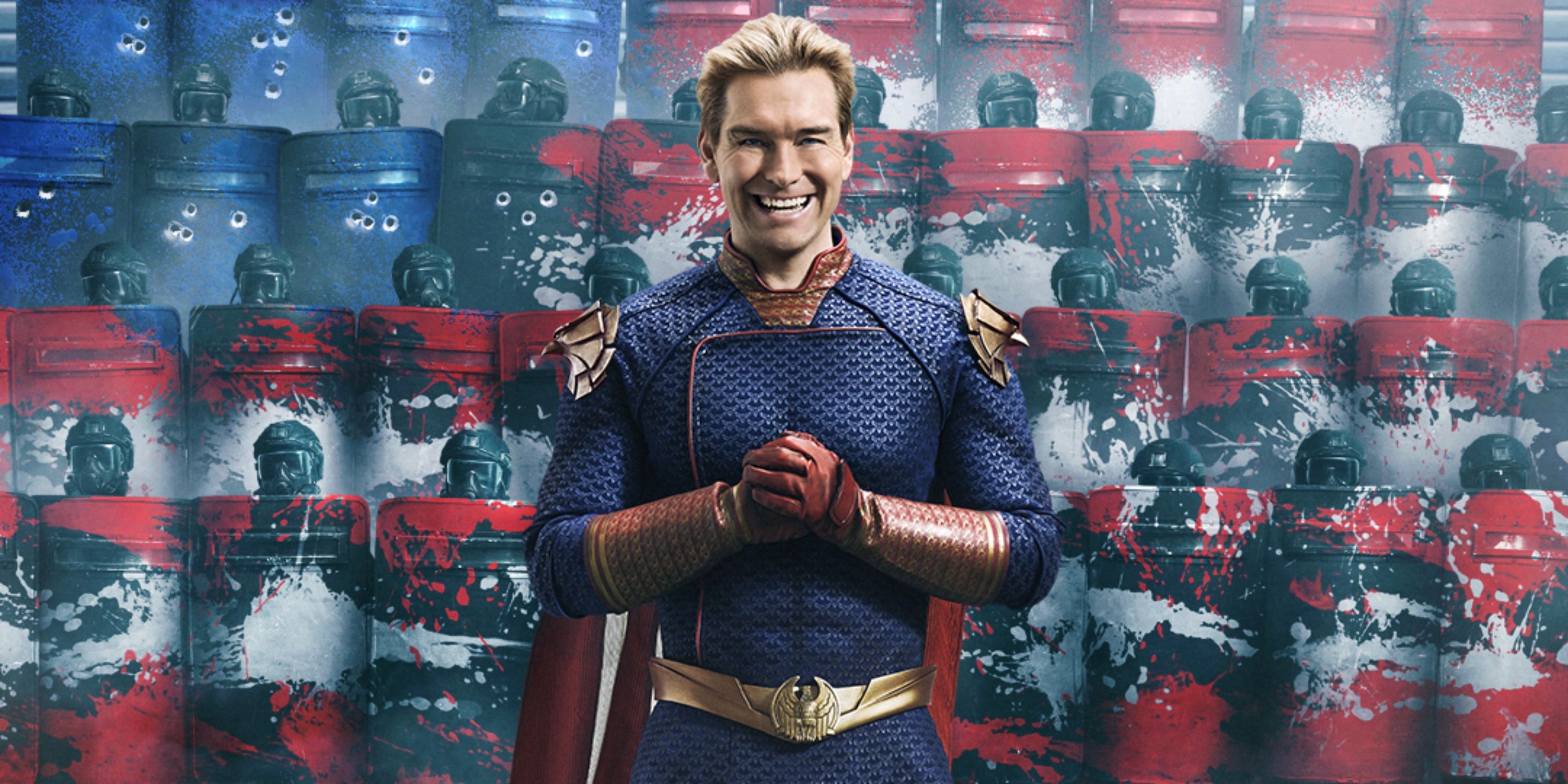
- Timing: The murder happens at the peak of laughter, making the abrupt shift to horror even more jarring.
- Framing: The camera lingers on audience reactions—real celebrities in the crowd, now screaming and scrambling—blurring the line between fiction and reality.
- Sound design: The laugh track keeps playing for three seconds after the explosion, a haunting reminder of how entertainment desensitizes.
This isn’t just a kill. It’s commentary. The industry laughs until it can’t breathe, until the joke becomes blood.
Celebrity Complicity and the Vought Machine
The episode’s genius lies in how it frames these cameos not as innocent bystanders, but as willing participants in the Vought ecosystem. These aren’t actors playing characters—they’re playing versions of themselves who have endorsed Vought, appeared in their ads, or defended their Supes on social media.
One cameo, a popular fitness influencer, is shown in a pre-recorded Vought+ commercial just minutes before being eviscerated by a rogue Supe during a live stream. The juxtaposition is brutal: one moment, they’re selling “Vought Vitality Gummies” with a radiant smile; the next, they’re being ripped in half by someone they once called a “hero.”
This isn’t accidental. The show insists: fame enables fascism. By aligning with power, these figures become part of the machine. And when the machine breaks, they’re not spared—they’re highlighted.
It’s a warning to real-world celebrities who monetize political extremism or lend their image to corrupt brands. The Boys says: you’re not untouchable. And worse—you might not even be the victim.
How The Boys Uses Cameos to Mirror Real-World Media Chaos
The episode doesn’t just mock individual celebrities. It critiques the entire media circus that elevates them.
Consider the scene where a viral clip of a politician’s cameo goes haywire. After being ambushed by a Supe at a campaign rally, their death is streamed live—but within minutes, the footage is edited, memed, and repackaged by Vought spin teams. By the next morning, the narrative has flipped: the victim is now the villain, accused of “inciting chaos.”
This mirrors real-world tragedies where victims are posthumously smeared, and violence is flattened into content. The cameo isn’t just a death—it’s a case study in misinformation.
The show further blurs lines by using actual footage of past interviews and speeches, digitally inserting them into its universe. When a real senator says, “We need more Supes in government,” it’s not fiction—it’s a quote pulled from 2023, now given horrifying context.
This technique transforms the episode into something more than television. It’s a hybrid of satire, horror, and documentary.
Behind the Scenes: Casting Real Figures in a Fictional Bloodbath
Casting real celebrities for such grotesque roles isn’t easy. According to production sources, many were hesitant—until they read the script.
One unnamed A-list actor reportedly signed on immediately after seeing how their cameo served the theme: “It’s not making fun of me,” they said. “It’s making fun of what I represent when I stay silent.”

Others declined. Some lawyers blocked participation outright, fearing liability or reputational damage. But those who agreed did so knowing they were signing up to be eviscerated—literally and symbolically.
The effects are achieved through a mix of practical gore and deepfake technology. For the most graphic deaths, body doubles are used, with the celebrity’s face seamlessly grafted in post. The result? A chilling realism that makes viewers question: Did that really happen?
And that discomfort? That’s the goal.
The Message Beneath the Mess: Fame as a Death Sentence
Episode 5 doesn’t just want to shock. It wants to provoke a question: Why do we keep worshipping these people?
Every bloody cameo underscores a central theme: fame without accountability is fatal. Whether it’s a media pundit, a comedian, or a politician, their deaths are not random acts of violence. They’re consequences.
The Boys has always argued that unchecked power corrupts. Now, it extends that argument to influence. You don’t need superpowers to be dangerous. A microphone, a platform, a loyal following—these are weapons too.
And in the world of The Boys, weapons eventually turn on their wielders.
Why This Episode Could Redefine Satirical Television
This isn’t just another entry in a hit series. Episode 5 feels like a cultural reset.
By using real celebrities not as guests, but as targets, The Boys challenges the very contract between media and audience. We don’t just watch violence—we’re complicit in it. We elevate these figures. We consume their content. We ignore their flaws—until they’re gone.
The episode’s final shot—a slow pan across a blood-soaked Vought studio lot, with unseen voices negotiating the “rights” to the carnage for a future docuseries—says it all. Even in death, they’ll be monetized.
No other show would dare this. Few could pull it off. The Boys doesn’t just walk the line—it dances on it, covered in someone else’s blood.
What This Means for the Rest of the Season With episode 5 serving as a narrative bloodbath, the stakes for the rest of the season are higher than ever. The lines between real and fictional, celebrity and victim, hero and villain, have been obliterated.
Expect ripple effects: - Public opinion turning against Vought—and the celebrities who enabled it. - Supes fracturing as even their biggest fans become casualties. - The Boys themselves grappling with their role in this cycle of violence.
And most importantly: no one is safe. Not even the ones we think we know.
If episode 5 teaches us anything, it’s this: in the age of influence, everyone is a potential casualty. The only question is how they’ll be remembered—and who profits from their death.
Stay sharp. Stay skeptical. And whatever you do—don’t laugh too loud.
FAQ
Did real celebrities actually appear in The Boys episode 5? Yes, the episode features real public figures through archival footage, voice recordings, and digital recreations, though not all participated directly.
Why did The Boys use such graphic violence against celebrity cameos? The violence serves as satirical commentary on fame, complicity, and the dangers of unchecked influence in media and politics.
Were any of the celebrity deaths based on real events? No, the deaths are fictional, but they mirror real-world patterns of how public figures are exploited, vilified, or protected after controversial incidents.
How did the show get permission to use real celebrities’ likenesses? For living figures, the show relies on transformative use under parody laws. Some individuals consented; others were recreated without direct involvement.
Is this episode a commentary on specific political figures? While not naming names, the episode critiques archetypes—media pundits, influencers, politicians—who align with authoritarian systems for personal gain.
Could this episode face legal challenges? Legally, it’s protected as satire, but it may provoke backlash from individuals or organizations who feel targeted.
What should viewers take away from these cameos? The episode urges audiences to question celebrity worship, media manipulation, and the moral cost of staying silent in the face of corruption.
FAQ
What should you look for in The Boys Episode 5 Delivers Blood-Soaked Celebrity Cameos? Focus on relevance, practical value, and how well the solution matches real user intent.
Is The Boys Episode 5 Delivers Blood-Soaked Celebrity Cameos suitable for beginners? That depends on the workflow, but a clear step-by-step approach usually makes it easier to start.
How do you compare options around The Boys Episode 5 Delivers Blood-Soaked Celebrity Cameos? Compare features, trust signals, limitations, pricing, and ease of implementation.
What mistakes should you avoid? Avoid generic choices, weak validation, and decisions based only on marketing claims.
What is the next best step? Shortlist the most relevant options, validate them quickly, and refine from real-world results.



:max_bytes(150000):strip_icc():focal(740x188:742x190)/queen-camilla-king-charles-iii-donald-trump-melania-state-visit-uk-windsor-091825-2de66cf02c9748e882e23e685587e4d1.jpg)
