Nedra Talley Ross, one of the defining voices of the 1960s girl group era and a core member of The Ronettes, has died at the age of 80. Her passing marks the end of an era defined by bold fashion, groundbreaking harmonies, and some of the most enduring pop records in American history. While her cousin Ronnie Spector often stood front and center, Nedra’s rich contralto was the anchor of the group’s sound—a voice that shaped hits like “Be My Baby,” “Walking in the Rain,” and “Baby, I Love You.”
Her death closes a chapter that not only chronicled the rise of one of pop music’s most influential acts but also reflected the personal resilience required to navigate fame, industry control, and the long shadow of legacy.
The Ronettes: Architects of the Wall of Sound
The Ronettes weren’t just performers—they were sonic innovators. Formed in the early 1960s in Harlem, New York, the trio—Ronnie Bennett (later Ronnie Spector), Estelle Bennett, and Nedra Talley—emerged from a family steeped in music and performance. Their blend of streetwise charm and vocal precision caught the ear of producer Phil Spector, who saw in them the perfect vessel for his revolutionary “Wall of Sound” technique.
This production style, characterized by layered instrumentation, reverb-drenched drums, and orchestral grandeur, transformed pop music. And The Ronettes were its most charismatic exponents. Nedra, singing harmony and bass lines with unwavering clarity, provided the balance that let Ronnie’s soaring lead shine. Tracks like “(The Best Part of) Breakin’ Up” and “Do I Love You?” showcased not just their vocal blend, but a raw emotional intensity rarely seen in pop at the time.
Nedra’s contribution was foundational. While she never sought the spotlight the way Ronnie did, her voice was essential to the group’s identity. “We were a unit,” she once said. “One couldn’t work without the other.”
Life Inside the Spotlight—and Out
Success came fast. The Ronettes signed with Spector’s Philles Records in 1963 and released a string of hits that defined the girl group era. But behind the glamour was a tightly controlled, often oppressive environment. Phil Spector, while a musical genius, was notoriously possessive and manipulative. He dictated their image, their performances, even their movements on stage.
For Nedra, who had always been the most introspective and spiritually grounded of the trio, the pressure was immense. She later described the experience as “glamorous but confining.” Unlike Ronnie, who married Spector and endured years of documented abuse, Nedra managed to maintain more personal distance—though not without emotional cost.
In interviews decades later, she spoke candidly about the lack of creative control and financial transparency. “We didn’t own the masters. We didn’t even own our name,” she recalled. “We were young, we were excited—but we didn’t understand contracts.”
A Deliberate Step Away from Fame
At the height of their popularity, The Ronettes disbanded in the late 1960s. Nedra Talley, then in her early twenties, made a decision that surprised many: she stepped away from music entirely. She married her high school sweetheart, Robert Ross, and focused on family and faith.

This choice was both radical and prescient. While many of her peers struggled with the aftermath of sudden fame, Nedra built a quiet, intentional life. She raised children, remained active in her church, and stayed connected to music—not as a performer, but as a steward of legacy.
“I didn’t run from fame,” she said in a 2010 interview. “I just chose something else. I wanted a life, not just a career.”
Her absence from the spotlight didn’t mean disengagement. She participated in reunions, including a brief but impactful 1970s comeback and later one-off performances. But she never returned to full-time touring or recording.
The Legacy of The Ronettes: More Than a Comeback
The Ronettes’ influence stretches far beyond their original chart run. Their music became a touchstone for generations of artists—from Bruce Springsteen, who famously called Ronnie Spector one of his favorite singers, to modern acts like Amy Winehouse and Lana Del Rey, whose aesthetic and vocal phrasing echo the Ronettes’ blend of toughness and vulnerability.
Nedra Talley Ross understood this legacy better than most. In the 2000s and 2010s, she became an advocate for the group’s recognition. The Ronettes were inducted into the Rock & Roll Hall of Fame in 2007, though the honor came after years of omission that many saw as unjust.
At the induction, Nedra delivered a powerful speech: “We weren’t just singing about love. We were singing about survival. About being young, Black, and female in an industry that didn’t always want to hear us. And we made them listen.”
A Voice That Shaped Pop Music
Nedra’s vocal role in The Ronettes is often understated, but musicians and producers know better. Her lower register grounded the group’s harmonies, allowing Ronnie’s higher notes to soar without becoming shrill. In “Walking in the Rain,” her sustained “oh-oh-ohs” in the bridge add tension and depth that elevate the entire track.
Audio engineers and vocal coaches still study The Ronettes’ recordings for their balance and precision. “You can’t teach that kind of chemistry,” said producer Alan Warden in a 2018 documentary. “It’s instinctual. Nedra had perfect pitch and an innate sense of timing. She was the glue.”
Even in later years, when reunited for performances, her voice retained its richness. At a 2019 tribute show in New York, at age 73, she sang “Be My Baby” with clarity and power—proof that her instrument had not faded with time.
The Cultural Weight of Nedra Talley Ross
Beyond music, Nedra represented a quiet but powerful model of agency. In an era when young Black women in pop were often typecast or exploited, she made deliberate choices about her life and output. She refused to be defined by a single era or role.
Her journey from teen star to devoted mother, from performer to cultural historian, reflects a broader narrative about identity and self-determination. She didn’t seek reinvention—she lived it.
Moreover, her ability to speak thoughtfully about the industry’s pitfalls helped educate newer generations of artists. “Back then, we didn’t have managers who explained publishing rights,” she said in a 2016 panel. “Today’s artists have more tools. Use them. Own your work.”
The End of an Era—And the Persistence of Influence
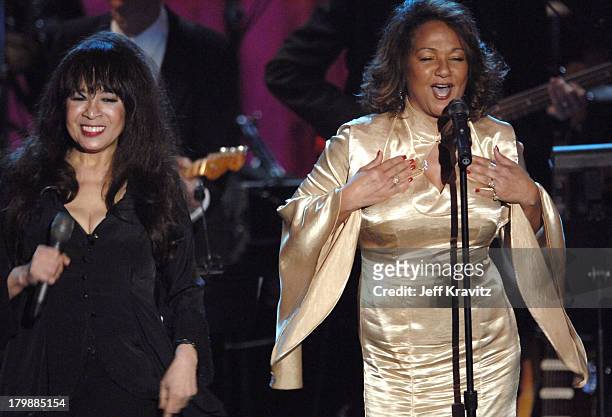
With Nedra Talley Ross’s passing, only Ronnie Spector remains in memory. Estelle Bennett died in 2009; Ronnie, the group’s iconic frontwoman, passed in 2022. The trio that once lit up stages with beehive hairdos and eyeliner is now part of history.
But their music isn’t. “Be My Baby” opens films. It’s sampled in hip-hop. It’s covered by indie bands and used in commercials. Its drum intro—played by Hal Blaine—is one of the most recognizable in pop.
And Nedra’s voice is in every note. Not just in the harmonies, but in the ethos of The Ronettes: fierce, independent, unapologetically feminine, and rooted in real experience.
Her death is not just a loss for fans of 1960s pop. It’s a reminder of how much cultural groundwork was laid by women who rarely got full credit.
Remembering Nedra Talley Ross: A Life in Harmony
Nedra Talley Ross didn’t chase immortality. She lived with purpose, on her own terms. She experienced the dizzying highs of fame, the constraints of industry control, and the quiet rewards of a life lived out of the spotlight.
Yet her impact is undeniable. The Ronettes’ sound helped shape the DNA of pop, rock, and R&B. Their look influenced fashion. Their story—of talent, struggle, resilience—resonates in an age where conversations about artist rights and mental health are more urgent than ever.
In remembering Nedra, we honor not just a singer, but a woman who understood the value of her voice—both as an instrument and as a choice.
If you’re revisiting The Ronettes for the first time in years, start with the 1964 album Presenting the Fabulous Ronettes Featuring Veronica. Listen past the hits. Hear Nedra in the background vocals, in the call-and-response lines, in the moments when the harmony tightens and the emotion swells. That’s where her legacy lives.
What was Nedra Talley Ross’s role in The Ronettes? She was a founding member and harmony vocalist, providing the lower register that grounded the group’s sound. Though not the lead singer, her voice was essential to their signature blend.
Did Nedra Talley Ross continue performing after The Ronettes? She stepped away from music in the late 1960s to focus on family and faith but participated in occasional reunions and tribute performances through the 2010s.
How did The Ronettes influence modern music? Their use of Phil Spector’s “Wall of Sound,” emotional intensity, and bold image influenced artists from Bruce Springsteen to Amy Winehouse and Lana Del Rey.
Why wasn’t The Ronettes inducted into the Rock Hall sooner? The group faced years of exclusion despite their impact, a reflection of broader industry biases against girl groups and Black female artists. They were finally inducted in 2007.
Was Nedra Talley Ross related to Ronnie Spector? Yes, she was Ronnie Spector’s first cousin. Estelle Bennett, the third member, was also Ronnie’s sister.
What made Nedra Talley Ross’s voice unique? Her rich contralto provided balance and depth in the group’s harmonies, often anchoring the higher leads with precision and soul.
How can I explore The Ronettes’ music today? Stream their Philles Records catalog, particularly Presenting the Fabulous Ronettes. Documentaries like The Ronettes: The Bad Girls of Rock ‘n’ Roll also feature interviews with Nedra.
FAQ
What should you look for in Ronettes Singer Nedra Talley Ross Dead at 80? Focus on relevance, practical value, and how well the solution matches real user intent.
Is Ronettes Singer Nedra Talley Ross Dead at 80 suitable for beginners? That depends on the workflow, but a clear step-by-step approach usually makes it easier to start.
How do you compare options around Ronettes Singer Nedra Talley Ross Dead at 80? Compare features, trust signals, limitations, pricing, and ease of implementation.
What mistakes should you avoid? Avoid generic choices, weak validation, and decisions based only on marketing claims.
What is the next best step? Shortlist the most relevant options, validate them quickly, and refine from real-world results.