Nigerian gospel singer Jaga has publicly rejected former Vice President Yemi Osinbajo’s recent critique of the prosperity gospel, marking a significant moment in the ongoing theological and cultural debate over faith, wealth, and ministry in African Christianity.
Osinbajo, a trained theologian and senior pastor, had described the prosperity gospel as a distortion of Christian teachings, arguing that it places undue emphasis on material gain at the expense of spiritual depth and social justice. But Jaga, known for his bold lyrical themes and strong religious convictions, has pushed back—defending the prosperity message as both biblically sound and transformational for believers in economic hardship.
Why Jaga’s Rejection Matters
Jaga isn’t just another gospel musician. With hits that blend Pentecostal fervor with Afrobeat rhythms, he’s gained a massive following among Nigeria’s youth and working-class believers. His music often centers on divine breakthrough, financial favor, and miraculous provision—core tenets of the prosperity gospel.
When a figure like Jaga takes a stand, it resonates far beyond church walls. His rejection of Osinbajo’s position isn’t merely personal; it reflects a deeper tension within African Christianity: can faith legitimately promise wealth, or does that undermine the gospel’s integrity?
For many Nigerians, the idea of God blessing the faithful with wealth isn’t heresy—it’s hope.
Jaga argues that prosperity theology gives marginalized people confidence to dream, hustle, and believe in supernatural intervention. “When you’re eating once a day, a sermon about humility without healing or provision feels like spiritual neglect,” Jaga said in a recent interview. “I preach abundance because I’ve seen God move financially in my life. That’s not greed—that’s testimony.”
Osinbajo’s Theological Critique: Discipline Over Dollars
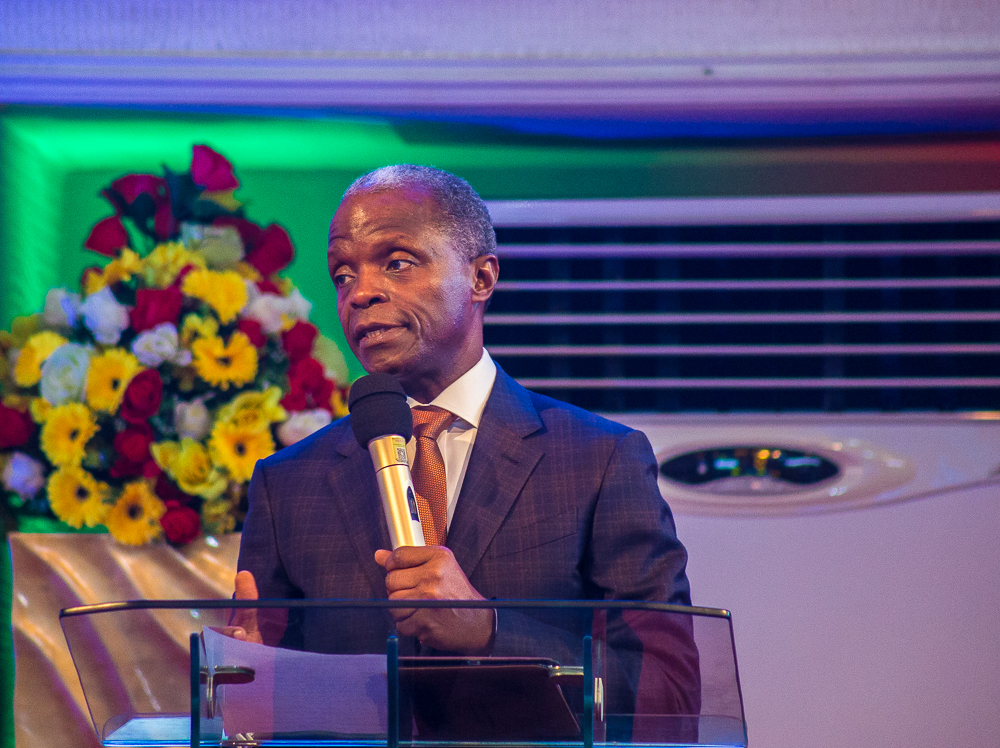
Yemi Osinbajo’s criticism stems from a different theological stream—one rooted in reformed and socially engaged Christianity. During a sermon at The Redeemed Christian Church of God, he warned against preachers who “monetize faith” and reduce God to a transactional figure.
He cited scriptures like 1 Timothy 6:10—“For the love of money is the root of all evil”—and emphasized Jesus’ teachings on serving the poor, humility, and the dangers of wealth. For Osinbajo, the gospel should inspire justice, service, and spiritual maturity—not luxury cars and designer suits.
His concern isn’t just doctrinal. It’s societal. He’s seen how unchecked prosperity preaching fuels religious exploitation, where pastors pressure followers into giving beyond their means for “miracle seeds” or “prayer anointing.”
But here’s where the divide grows: believers like Jaga don’t see greed in prosperity—they see deliverance.
The Prosperity Gospel in Nigeria: More Than a Sermon
In Nigeria, where over 40% of the population lives below the poverty line, the prosperity gospel isn’t abstract theology. It’s lived experience.
Churches like Winners’ Chapel, RCCG, and Christ Embassy have built vast networks of schools, hospitals, and media empires—visible symbols of what they call “God’s blessing.” For congregants, attending these churches isn’t just about salvation; it’s about accessing divine networks of favor.
Jaga’s music thrives in this ecosystem. Songs like Osemoye and Igba Nla celebrate financial miracles and divine elevation. These aren’t just lyrics—they’re prayers, affirmations, and declarations for listeners navigating unemployment, debt, and systemic neglect.
To dismiss this as shallow materialism, Jaga argues, is to ignore the psychological and spiritual power of believing God cares about your rent, your child’s school fees, and your medical bills.
“When I sing ‘God will pay your bills,’ I’m not promoting laziness,” Jaga said. “I’m declaring faith over despair. That’s the gospel to me.”
The Risk of Extremes: When Faith Becomes Transactional
Still, Jaga’s defense doesn’t erase real problems within prosperity preaching.
Critics point to pastors demanding exorbitant “seed offerings” in exchange for miracles, or claiming poverty is a sign of spiritual failure. Some have built private jets and luxury homes while their congregants struggle—raising ethical red flags.
Osinbajo’s warning hits hard here. When faith becomes a financial contract—“give N50,000 and God will give you N500,000”—it risks turning worship into a get-rich-quick scheme.
Jaga acknowledges the abuse but refuses to throw out the entire doctrine. “There are wolves, yes,” he admits. “But not all prosperity teachers are frauds. Some people preach deliverance because they’ve lived it.”
He draws a distinction between authentic faith-based hope and manipulative exploitation—a line many in the movement struggle to maintain.
A Cultural Clash in African Christianity
At its core, this debate isn’t just about theology. It’s about culture, class, and identity.
Osinbajo represents a Christian elite—highly educated, globally connected, and theologically cautious. His vision of faith emphasizes restraint, intellectual depth, and civic responsibility.
Jaga, on the other hand, speaks for the grassroots—the market traders, artisans, and unemployed graduates who see divine blessing as their only escape route from poverty.
This isn’t a battle of right versus wrong, but of context versus principle.
One side fears spiritual abuse and distortion. The other fears spiritual irrelevance.
And both have valid concerns.
Can the Two Views Coexist?
Perhaps the real issue isn’t the prosperity gospel itself—but how it’s framed and practiced.
Jaga’s testimony-based approach—rooted in personal experience—can inspire hope. But without accountability, it risks breeding dependency and false expectations.
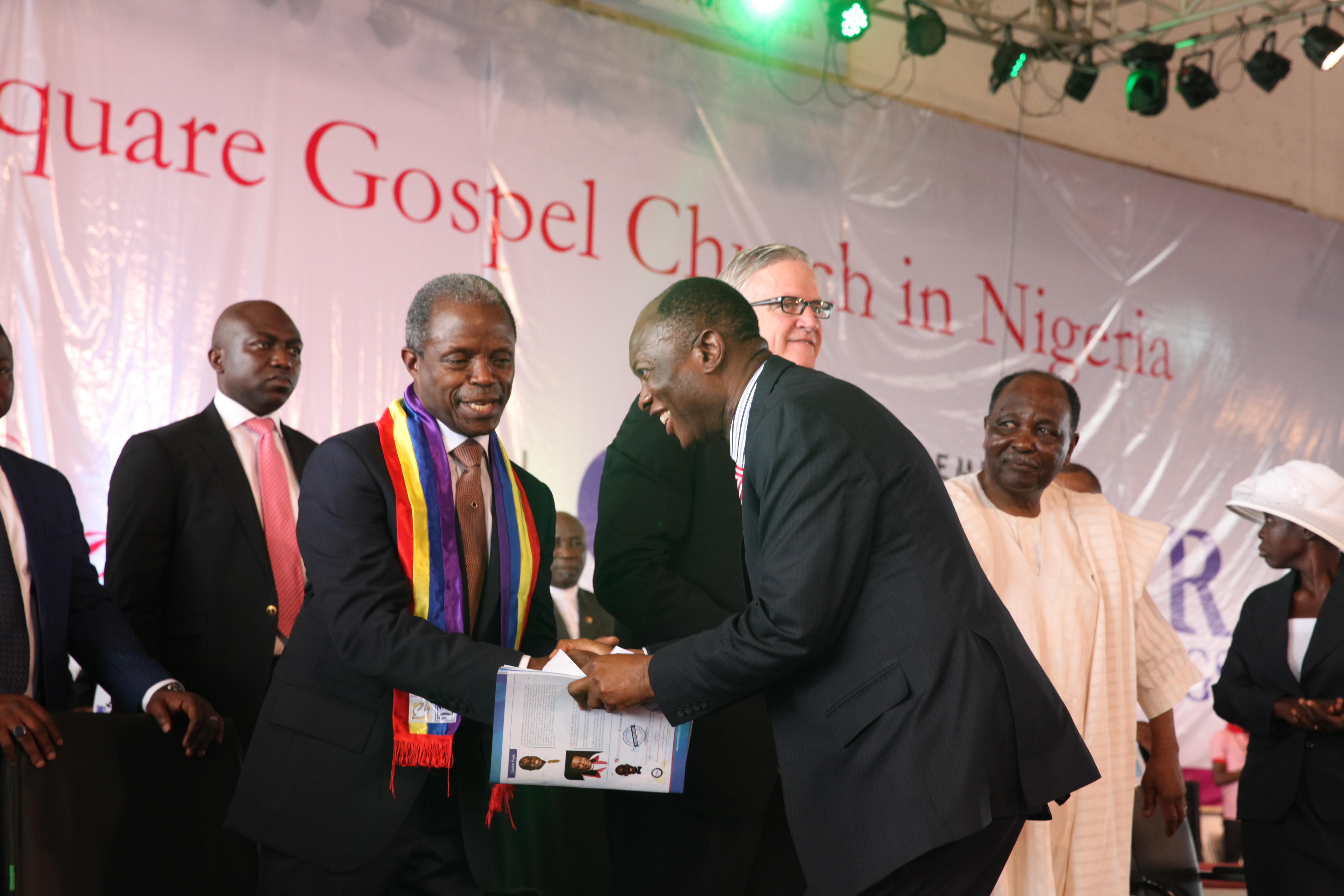
Osinbajo’s structured theology promotes integrity and justice but can feel distant to those with empty stomachs and unpaid bills.
The solution may not be choosing one over the other, but integrating both.
A balanced gospel might look like this: - Preaching financial blessing without promising it as a guaranteed outcome - Teaching stewardship and giving without exploiting the poor - Encouraging miracles while promoting hard work and community development
Jaga has started moving in this direction. In recent sermons, he’s spoken about financial literacy, ethical business, and helping the less privileged—signs that his view of prosperity is evolving.
The Role of Music in Theological Debate
Gospel music in Nigeria does more than entertain—it shapes belief.
Artists like Jaga aren’t just performers; they’re influencers, teachers, and sometimes, theologians in their own right.
When Jaga sings about God opening “doors no man can shut,” he’s not just quoting Isaiah 22:22—he’s framing divine power in terms Africans recognize: opportunity, access, and economic breakthrough.
Music makes theology accessible. But it also simplifies it. Complex doctrines get reduced to catchy hooks. Nuance gets lost in rhythm.
That’s why public figures like Jaga must be careful. Their songs can uplift—or mislead.
Moving Forward: Integrity, Testimony, and Balance
The clash between Jaga and Osinbajo isn’t the end of Christian unity—it’s a necessary conversation.
For prosperity preaching to survive and thrive in Nigeria, it must: - Ground claims in Scripture, not just success stories - Promote generosity over greed - Protect the vulnerable from manipulation - Embrace holistic ministry—spiritual, social, and economic
And for critics like Osinbajo, there must be room to acknowledge that God does bless materially—even if it’s not the central message of the gospel.
Jaga’s testimony matters. So does Osinbajo’s caution.
The future of Nigerian Christianity depends not on silencing either side, but on fostering honest dialogue, biblical balance, and pastoral accountability.
Final Thought: Testimony Without Truth Is Noise
Jaga’s rejection of Osinbajo’s views isn’t just a headline—it’s a reflection of a deeper spiritual hunger in Africa.
People want to believe God cares about their suffering—including their financial suffering. And they’re drawn to voices that affirm that belief.
But inspiration without truth leads to disillusionment. And truth without compassion feels cold.
As the debate continues, let artists, pastors, and believers alike hold two things together: a faith that transforms souls, and a gospel that liberates the oppressed—spiritually, socially, and economically.
Take action: If you’re a believer, examine the teachings you consume. Are they building faith—or feeding fantasy? If you’re a leader, preach hope, but ground it in integrity. And if you’re searching for breakthrough, remember: true prosperity begins with peace, not just profit.
FAQ
What should you look for in Gospel Singer Jaga Rejects Osinbajo’s Stance on Prosperity Gospel? Focus on relevance, practical value, and how well the solution matches real user intent.
Is Gospel Singer Jaga Rejects Osinbajo’s Stance on Prosperity Gospel suitable for beginners? That depends on the workflow, but a clear step-by-step approach usually makes it easier to start.
How do you compare options around Gospel Singer Jaga Rejects Osinbajo’s Stance on Prosperity Gospel? Compare features, trust signals, limitations, pricing, and ease of implementation.
What mistakes should you avoid? Avoid generic choices, weak validation, and decisions based only on marketing claims.
What is the next best step? Shortlist the most relevant options, validate them quickly, and refine from real-world results.