The glare of the spotlight doesn’t just illuminate talent—it exposes every pore, every wrinkle, every perceived flaw. For A-listers, fame often comes with a hidden cost: relentless bullying over their looks. From cruel memes to viral hate threads, Hollywood’s biggest stars are no strangers to online trolling that crosses the line from opinion into emotional warfare.
What happens when public admiration curdles into public humiliation? When paparazzi snapshots become fodder for body-shaming sprees? Increasingly, celebrities are breaking their silence—not to retaliate, but to reveal the psychological toll of being endlessly mocked for how they look.
This isn’t just about bad reviews. It’s about targeted cyberbullying that follows stars from red carpets to private moments, amplified by algorithms that reward outrage.
The Anatomy of Celebrity Trolling in the Digital Age
Online trolling isn’t new, but its evolution has turned it into a high-impact weapon. Where once criticism was limited to tabloids or talk radio, today’s attacks are instantaneous, viral, and often anonymous. Platforms reward engagement—likes, shares, comments—regardless of intent. That means a single paparazzi photo of an actress in sweatpants can spawn thousands of posts mocking her "weight gain" or "aging face."
Stars like Jennifer Aniston, Chris Hemsworth, and Florence Pugh have all been subjected to intense scrutiny. Aniston, decades into her career, still faces obsessive commentary about her childlessness and appearance. Hemsworth has been trolled for being "too pretty" to play a rugged Thor. Pugh was body-shamed during Don’t Worry Darling promotions, with critics dissecting her figure in designer dresses.
But the cruelty often comes wrapped in irony or "just joking" disclaimers. That doesn’t lessen the sting.
“It’s not humor when the same joke gets repeated by millions,” said Pugh in a 2023 interview. “It starts to feel like a referendum on your worth.”
The digital mob operates on volume. A single tweet calling a star “ugly” or “washed up” might be ignored. But when thousands echo it, algorithms amplify it. Trending hashtags form. Memes circulate. The narrative hardens. And the target—no matter how wealthy or famous—feels powerless.
Why A-Listers Are Vulnerable Targets
Fame doesn’t insulate against emotional harm. If anything, it increases vulnerability.
Celebrities live in fishbowls. Their faces are on billboards, their voices in earbuds, their bodies analyzed frame by frame in 4K. That omnipresence creates a false intimacy. Fans feel entitled to comment on their lives—especially their looks.
Social media compounds the issue. When stars post personal photos—on vacation, post-workout, makeup-free—they’re often met with “candid” praise that quickly devolves into critique. A selfie becomes a beauty contest judged by millions.
Consider Lizzo, who has repeatedly called out followers for criticizing her body despite advocating body positivity. Or Simu Liu, who faced racist trolling after being cast as Shang-Chi, with critics claiming he didn’t “look Asian enough” or “fit the comic.”
These attacks aren’t random. They’re rooted in narrow beauty standards—white, thin, youthful, symmetrical—that Hollywood itself helped create.
And when stars deviate from that mold, backlash follows.
High-Profile Cases: When Trolling Crosses the Line
Some incidents have become cultural flashpoints, revealing how deep the toxicity runs.
Jennifer Lawrence: “I Don’t Think I’m Ugly”

After Joy premiered, Lawrence faced a wave of online ridicule for her appearance in promotional photos. Critics called her “sluggish,” “unmade,” “too heavy.” In response, she delivered a blistering comeback:
“I’m not going to spend my life starving myself because strangers think I’m fat.”
The moment went viral—not just for its defiance, but for exposing how casually women in Hollywood are policed.
Chris Pratt: From “Fat Chris” to “Too Ripped”
Pratt’s weight transformation for Guardians of the Galaxy made him a fitness icon. But the praise had a dark undercurrent. Old photos resurfaced. Memes mocked his “before” body relentlessly. Even after becoming a leading man, the jokes didn’t stop—they just shifted.
Now, he’s criticized for being “overly jacked,” “steroid-looking,” even “unrelatable.” No matter his shape, the internet finds fault.
Jameela Jamil: Battling the “Hot Girl” Industrial Complex
Jamil launched the I Weigh movement to challenge beauty standards. But she’s also a frequent target of trolling, especially from anonymous accounts questioning her right to critique diet culture while being conventionally attractive.
Her response? Call it out.
“They don’t hate my body. They hate that I won’t stay silent about theirs.”
She’s sued troll farms and called out influencers who profit from insecurities. But the harassment continues—proof that speaking up doesn’t always stop the storm.
The Psychological Toll: Burnout, Anxiety, and Withdrawal
You don’t need to be a psychologist to see the damage. Stars report sleepless nights, panic attacks, and social media detoxes. Some quit platforms entirely.
Selena Gomez has been open about how online hate led to anxiety and depression, culminating in a kidney transplant and mental health breaks. Justin Bieber faced years of body-shaming and vocal criticism, which he linked to his struggles with mental health and substance use.
Even legends aren’t immune. Meryl Streep, revered as one of the greatest actresses alive, has been called “horse-faced” and “overrated” in endless online threads.
The irony? These attacks often come from the same audiences that buy tickets, stream content, and attend premieres.
And the toll isn’t just emotional—it’s professional. Stars fear being labeled “difficult” if they speak up. Publicists discourage confrontation. Contracts rarely cover emotional damages from online harassment.
The Role of Media and Fans in Perpetuating the Cycle
It’s easy to blame “trolls.” But complicity runs deeper.
Entertainment outlets publish clickbait like “Is [Star] Aging Poorly?” or “What Happened to [Actor]’s Face?” These stories drive traffic but normalize appearance-based scrutiny.
Fan communities aren’t innocent either. Shipping wars, “gatekeeping” over attractiveness, and ranking systems (e.g., “Marvel’s hottest heroes”) turn people into aesthetic commodities.
Even well-meaning compliments can backfire. Telling a star they “look amazing for their age” implies aging is something to fear. Praising weight loss often implies prior bodies were inferior.
The message is clear: your value is tied to your looks—and someone is always watching.
How Some Stars Are Fighting Back
More celebrities are pushing back—not with lawsuits alone, but with cultural shifts.
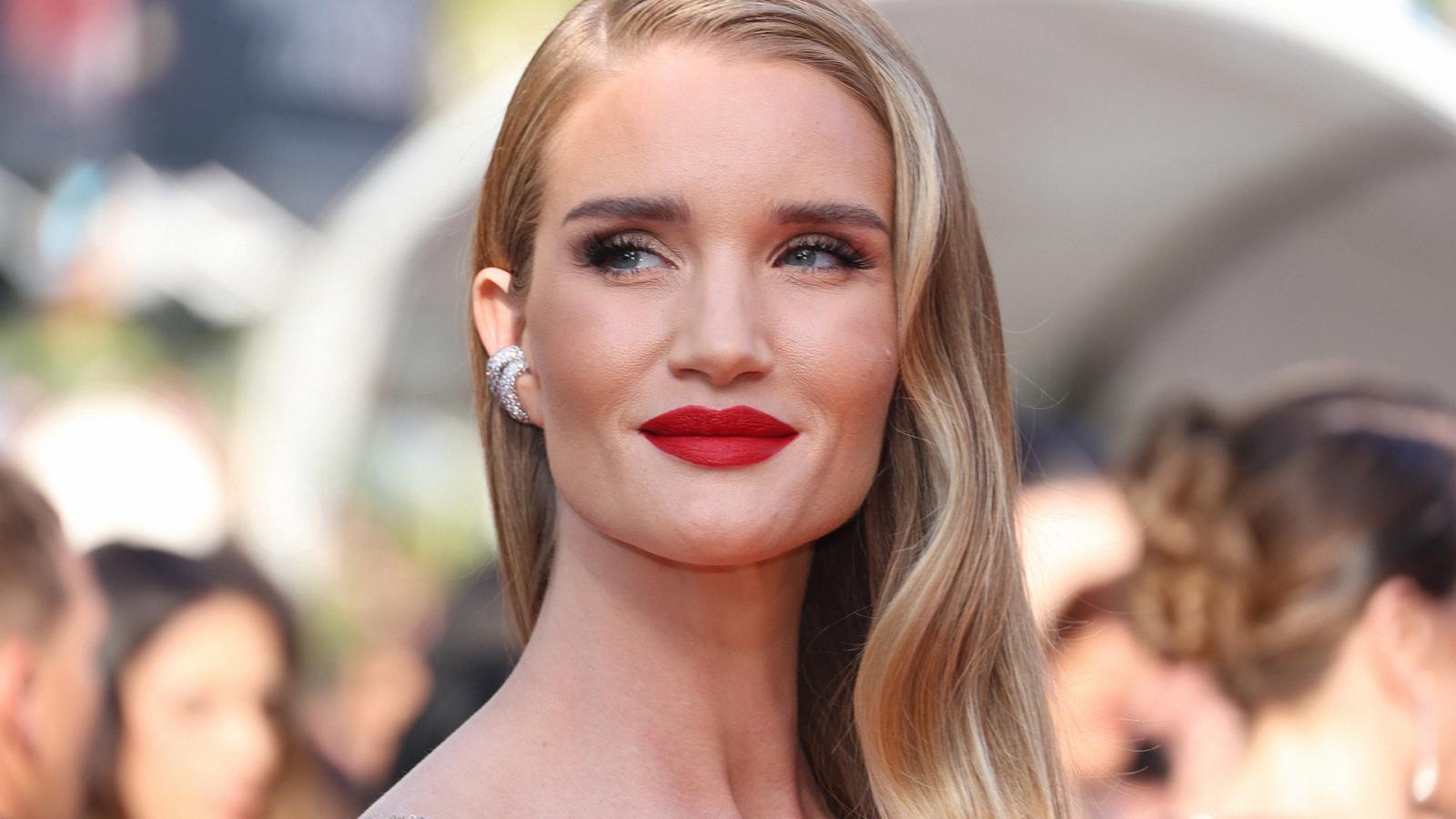
- Lupita Nyong’o uses her platform to celebrate dark skin and African beauty, challenging Eurocentric standards.
- Billy Porter defies gender norms in fashion, calling his red carpet looks “revolutionary acts.”
- Millie Bobby Brown sued a meme page for using her image in degrading contexts, setting a legal precedent.
Others are going inward. Therapy, mindfulness, and digital boundaries are now standard in many celebrity routines. Some hire “digital wellness managers” to filter online content and protect their mental health.
Legal action is growing too. Defamation laws, while limited for public figures, can be used against coordinated harassment campaigns. In the UK and parts of Europe, stricter online safety laws now hold platforms accountable.
But change is slow.
The Bigger Picture: Beauty, Power, and Control
At its core, appearance-based trolling isn’t really about looks. It’s about power.
When a woman gains weight, she’s “let herself go.” When a man ages, he’s “washed up.” These narratives reinforce control—over who belongs in the spotlight, who deserves love, who is “acceptable.”
Hollywood, as both a dream factory and a profit-driven machine, profits from these insecurities. It sells products, images, and ideals—all while punishing those who don’t conform.
But as more stars speak out, the myth of the “perfect” celebrity begins to crack.
What Can Be Done? A Path Forward
Change won’t come from silence. Or from retreating from social media. It requires systemic shifts:
- Media Accountability: Outlets must stop publishing appearance-based clickbait. Editors should adopt ethical guidelines.
- Platform Responsibility: Social networks must improve moderation, especially for coordinated harassment. AI detection for hate speech needs refinement.
- Fan Culture Shifts: Fans can reject toxicity—calling out body-shaming in communities, supporting stars for talent over looks.
- Celebrity Solidarity: More stars should speak up collectively, forming coalitions against online abuse.
- Mental Health Support: Studios and agencies should provide mandatory counseling and digital boundaries training.
Individuals can help too. Unfollow hate accounts. Report abusive content. Challenge jokes that punch down.
Closing: The Humanity Behind the Headlines
The next time you see a meme mocking a celebrity’s appearance, pause. That person isn’t a cartoon. They’re a human being—likely exhausted, possibly hurting, and definitely aware of every comment.
Hollywood’s trolling horror isn’t just a celebrity problem. It’s a mirror held up to our culture’s obsession with perfection, youth, and control.
The stars are speaking out. It’s time we listened.
Frequently Asked Questions
Why do celebrities get bullied more than regular people? Their visibility makes them targets. Every public appearance is scrutinized, and social media amplifies criticism exponentially.
Can celebrities sue over online trolling? Sometimes. Defamation is hard to prove for public figures, but coordinated harassment or false claims can lead to legal action.
Does body-shaming affect male celebrities too? Yes. Men face trolling over weight, hair loss, aging, and masculinity—often tied to rigid stereotypes.
How do celebrities protect their mental health from trolling? Many limit social media, use content filters, work with therapists, or hire digital managers to shield them from online abuse.
Are beauty standards in Hollywood changing? Slowly. More diverse casting and body-positive advocacy are helping, but systemic bias remains strong.
Do fans realize the impact of their comments? Not always. Many see trolling as “banter,” unaware of how repetition and virality can cause real harm.
What can I do to stop celebrity bullying online? Report abusive posts, avoid sharing appearance-based jokes, and support stars for their work—not their looks.
FAQ
What should you look for in Hollywood Trolling Horror: A-Listers Reveal Bullying Over Looks? Focus on relevance, practical value, and how well the solution matches real user intent.
Is Hollywood Trolling Horror: A-Listers Reveal Bullying Over Looks suitable for beginners? That depends on the workflow, but a clear step-by-step approach usually makes it easier to start.
How do you compare options around Hollywood Trolling Horror: A-Listers Reveal Bullying Over Looks? Compare features, trust signals, limitations, pricing, and ease of implementation.
What mistakes should you avoid? Avoid generic choices, weak validation, and decisions based only on marketing claims.
What is the next best step? Shortlist the most relevant options, validate them quickly, and refine from real-world results.