The red carpet flashbulbs never stop, and neither do the comments. Behind the glamour, A-list actors face a hidden epidemic—relentless public scrutiny over their appearance, amplified by social media trolls and parasocial hate campaigns. From casual body-shaming memes to organized online harassment, Hollywood’s biggest stars are increasingly speaking out about the psychological toll of being bullied for how they look.
This isn’t just about bad paparazzi shots or tabloid headlines. It’s about coordinated attacks, viral ridicule, and the normalization of mocking physical traits—noses, weight, skin, hair—as if celebrities are public property. The damage is real, and for some, it’s been career-altering and emotionally scarring.
The Anatomy of Celebrity Appearance Trolling
What makes Hollywood trolling uniquely damaging isn’t just the volume—it’s the personalization. Critics dissect features with surgical precision: - “Why does she still get cast with that nose?” - “He used to be hot—what happened to his face?” - “She’s aged so badly since her Marvel days.”
These aren’t isolated remarks. They’re repeated across forums, comment sections, TikTok stitches, and meme pages with millions of followers. The targets? Not unknowns, but Oscar winners, box office kings, and household names.
The cruelty often centers on features that are either genetic, medically influenced, or simply part of natural aging. Yet, the internet treats them like moral failings.
Case Study: The Scarlett Johansson Backlash In 2020, Johansson faced dual scrutiny: one for playing a transgender man in Ghost in the Shell (a casting controversy), and another, quieter but persistent, campaign mocking her jawline and lip shape. Memes circulated for years calling her “orange peel texture” or “the woman with no neck.”
She later told Vogue: > "You start to question your face, your voice, your presence. When millions of people laugh at something about you, you internalize it—even if you don’t want to."
It wasn’t just fans. Industry insiders repeated the jokes in meetings. “I’d hear it in pitch rooms,” she revealed. “Not directly to me, but loud enough.”
How Trolling Turns Into Psychological Warfare
Online bullying doesn’t stay online. For celebrities, it leaks into auditions, endorsements, and mental health.
The Self-Doubt Spiral Repeated appearance-based trolling leads to:
- Avoidance of public events
- Overuse of filters or cosmetic procedures
- Anxiety around film premieres or interviews
- In some cases, withdrawal from acting altogether
Actor Terry Crews has spoken openly about how body-shaming affected his confidence, despite his physique being the basis of many of his roles: > “They’ll say, ‘You look bloated,’ or ‘You’re too muscular—it’s scary.’… I’m built this way to survive, and now I’m being punished for it?”
The Role of Studio Politics Trolling isn’t always organic. Sometimes, it’s leveraged by studios or PR teams to manipulate public perception. A star who demands higher pay or speaks out on social issues may suddenly become the target of “awkward smile” compilations or “worst dressed” roundups.
There’s a pattern: when an A-lister asserts power, the internet retaliates with appearance-based ridicule. It’s a modern form of public shaming—updated for the digital age.
Stars Who Fought Back—and Won

Some celebrities have turned the tide by confronting trolls head-on, using their platforms to expose the abuse.
Lizzo: Defying the Narrative Lizzo has been a lightning rod for body-shaming since her rise to fame. Her response? Lean in.
She’s clapped back at trolls with viral videos dancing in lingerie, posted unfiltered photos, and sued individuals for spreading deepfake pornography of her. In a 2022 Instagram post, she wrote: > “You don’t get to decide what a beautiful body looks like. I do.”
Her stance shifted media coverage. Instead of “Is Lizzo too big for Hollywood?” headlines, outlets began asking, “Why do we police women’s bodies?”
Quinta Brunson: Navigating Beauty Standards Even as the creator and star of Abbott Elementary, Quinta Brunson has faced trolling about her skin tone, hair texture, and facial features.
In a Harper’s Bazaar interview, she admitted: > “People act like Black features are up for debate. My nose, my lips—it’s not a discussion. It’s my face. But the comments still sting.”
She now filters her social media strictly and avoids reading comments. “I protect my peace like it’s gold,” she said.
The Industry’s Hypocrisy on Appearance
Hollywood demands youth, beauty, and perfection—then mocks stars when they age, gain weight, or refuse surgery.
The Aging Double Standard Actresses over 40 face a brutal paradox:
- They’re expected to look “ageless”
- But if they use fillers or Botox, they’re “frozen” or “unnatural”
- If they don’t, they’re “letting themselves go”
Compare that to male leads like George Clooney or Keanu Reeves, who are praised for “graceful aging.”
A 2023 study by the USC Annenberg School found that 68% of appearance-based criticism on social media targets women, especially women of color.
The Weight Watchers of Fame
Many stars admit to being pressured by studios to maintain extreme weights. But when they do, they’re accused of being “too thin.” When they gain a few pounds, it’s “she’s lost her glow.”
One anonymous A-lister told The Hollywood Reporter: > “I was told to lose 15 pounds for a rom-com lead. I did. Then the internet said I looked sick. No win.”
How Trolling Affects Career Trajectories Appearance-based trolling doesn’t just hurt feelings—it alters careers.
Typecasting and Role Limitation Stars mocked for certain features often get stuck in niche roles: - The “quirky best friend” - The “villain with a weird face” - The “comic relief with bad teeth”
Daniel Kaluuya faced early typecasting due to his gap teeth—until he won an Oscar for Judas and the Black Messiah. Even then, trolls called his smile “distracting.”
Lost Endorsements Brands pull back from stars engulfed in trolling cycles. One actress, known for her breakout role in a superhero film, lost three beauty contracts after a viral tweet called her “the ugliest Avenger.”
“Beauty brands don’t want controversy,” said a former marketing exec. “Even if the hate is unjust, they’ll distance themselves.”
The Social Media Feedback Loop Trolling isn’t random—it’s algorithmically rewarded.
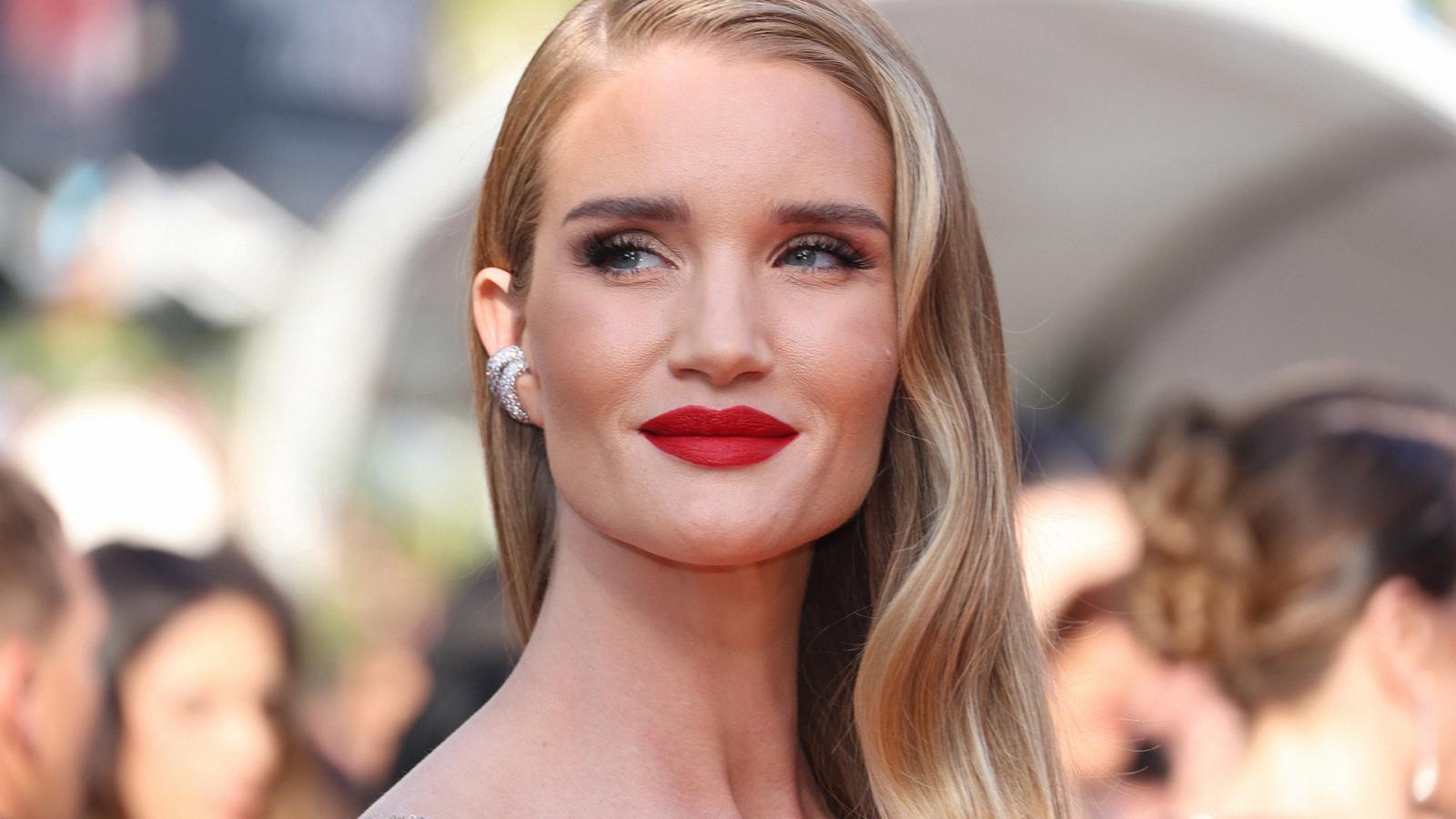
Why Hate Content Spreads Faster Platforms like X (formerly Twitter) and TikTok prioritize engagement. Insults generate more reactions than praise. A meme mocking a celebrity’s nose can get 500,000 views. A supportive comment? Maybe 50 likes.
Trolls know this. They weaponize virality.
The Meme Industrial Complex
There’s a cottage industry of anonymous meme pages that profit from celebrity ridicule. Some earn six figures a year through ad revenue and sponsorships, all built on humiliating public figures.
One page, with 2.3 million followers, posts daily “celebrity face fails.” Its admin, reached anonymously, said: > “We don’t make the jokes—we just reflect what people are already saying.”
But that’s disingenuous. These accounts shape perception, not reflect it.
What Can Be Done?
The problem isn’t going away—but solutions exist.
Platform Accountability Celebrities have little recourse. Reporting harassment rarely works. Platforms need:
- Stricter policies on appearance-based hate
- Faster takedown of deepfakes and manipulated images
- Transparency in how algorithms promote negative content
Union and Studio Support SAG-AFTRA could include mental health protections related to online harassment in contracts. Studios should: - Offer media literacy and reputation management training - Refuse to collaborate with outlets that run appearance-shaming pieces - Publicly defend actors under attack
Cultural Shift Audiences must stop treating celebrities like characters, not people. Every time someone shares a “celebrity glow-up fail” reel, they’re contributing to a culture of cruelty.
Final Word: Fame Shouldn’t Mean Free Game
The truth is brutal: in Hollywood, your face can launch a career—and destroy it.
Stars like Chrissy Teigen, who once faced relentless bullying for her smile, now advocate for kindness. “I know what it feels like to hate your reflection,” she said. “No one should feel that—not even people we see on TV.”
The next time you see a meme mocking an actor’s look, ask: Who benefits from this? Usually, it’s not the person in the photo.
Protect your peace. Respect boundaries. And remember: behind every “ugly” meme is a human being who bleeds, doubts, and hurts—just like you.
FAQ
Why do celebrities get bullied more for their looks? Because they’re highly visible, and their images are commodified. The public feels entitled to critique them as if they’re products, not people.
Do studios ever encourage trolling? Not directly, but some PR strategies exploit appearance narratives—either to build a “relatable” image or to sideline stars who demand more control.
Can celebrities sue trolls? Sometimes. Cases involving deepfakes, defamation, or threats have led to lawsuits. But anonymous accounts and jurisdiction issues make enforcement difficult.
How does appearance trolling affect mental health? It leads to anxiety, depression, body dysmorphia, and in extreme cases, suicidal ideation—especially when criticism is constant and dehumanizing.
Are men trolled as much as women? Men are trolled, but less frequently for appearance. When they are, it’s often about baldness or weight—never with the same intensity as women’s features.
Why don’t celebrities just ignore the hate? Because it affects their careers—roles, contracts, public perception. It’s not just noise; it’s professional sabotage.
Is there a link between trolling and diversity? Yes. Women of color, LGBTQ+ actors, and those with disabilities face disproportionately high levels of appearance-based hate, often rooted in systemic bias.
FAQ
What should you look for in Hollywood Trolling Horror: A-Listers Reveal Relentless Bullying Over Loo? Focus on relevance, practical value, and how well the solution matches real user intent.
Is Hollywood Trolling Horror: A-Listers Reveal Relentless Bullying Over Loo suitable for beginners? That depends on the workflow, but a clear step-by-step approach usually makes it easier to start.
How do you compare options around Hollywood Trolling Horror: A-Listers Reveal Relentless Bullying Over Loo? Compare features, trust signals, limitations, pricing, and ease of implementation.
What mistakes should you avoid? Avoid generic choices, weak validation, and decisions based only on marketing claims.
What is the next best step? Shortlist the most relevant options, validate them quickly, and refine from real-world results.