They’re on magazine covers, red carpets, and billion-dollar franchises. Yet behind the glamour, many A-listers endure a relentless, invisible war: the psychological toll of being bullied—online and off—for their appearance.
It’s not just isolated comment sections or one-off hate tweets. It’s coordinated trolling campaigns, memes weaponized to mock facial features, and decades-long public scrutiny over weight, skin, aging, and more. From Megan Fox being dubbed "over" for her changing look to Chris Hemsworth reading comments questioning his masculinity based on a receding hairline, the entertainment industry’s most powerful faces are not immune. In fact, they’re often the prime targets.
This isn’t gossip. It’s a mental health crisis cloaked in viral trends. And A-listers are finally speaking out.
The Hidden Cost of Fame: When Public Scrutiny Turns to Abuse
Fame has always come with scrutiny. But the digital age has turned casual criticism into a full-scale, 24/7 harassment machine. Where once paparazzi snaps were the worst of it, celebrities now face AI-generated deepfakes, body-modified memes, and fan-run hate accounts with thousands of followers.
Take Scarlett Johansson. Despite her A-list status, she’s been subjected to years of body-shaming, particularly during her pregnancies. Online forums dissected her weight gains with clinical cruelty. “You’d think I committed a crime for growing a human,” she said in a 2022 interview. “But the real crime is how normalized this kind of judgment has become.”
Or consider Lizzo, who has championed body positivity while enduring hate for her size. Trolls have mocked her performances, photos, and even medical conditions. In one instance, fans doctored images to make her look grotesque—circulated with hashtags like #LizzoMeltdown. She responded with strength: “Y’all really be attacking a woman just for existing unapologetically?”
These aren’t exceptions. They’re patterns. And the psychological toll is real.
The Emotional Fallout: PTSD, Anxiety, and Self-Doubt
Celebrities are trained to perform, not to withstand psychological warfare. The constant barrage of appearance-based bullying—especially when amplified by millions—can lead to severe anxiety, depression, and in some cases, PTSD.
Demi Lovato has been vocal about how years of media criticism over her body contributed to eating disorders and mental health crises. “When you hear the same thing every day—that you’re too fat, too thin, too ugly—it starts to feel true,” she said in her documentary Child Star. “I believed them, even when I was on top of the world.”
Similarly, Shia LaBeouf has spoken about developing PTSD from public ridicule, particularly during his legal and personal struggles in the early 2010s. “The internet turned me into a joke,” he said. “And when you’re already fragile, being laughed at by millions doesn’t feel like satire—it feels like violence.”
Therapists working with high-profile clients confirm: trolling isn’t just noise. It’s trauma.
How Trolling Campaigns Are Orchestrated
Most people assume online hate is random. But in Hollywood, it’s often coordinated.
The Role of Fan Wars and Cancel Culture

Fan bases—particularly in franchises like Marvel, DC, or major pop acts—can turn toxic fast. When one celebrity is seen as a threat to another’s spotlight, or when casting decisions spark outrage, appearance becomes the easiest weapon.
Example: When Gal Gadot was cast as Wonder Woman, a faction of online critics launched campaigns claiming she was “too old,” “not muscular enough,” or “not pretty in a conventional way.” Some even circulated fake side-by-side images comparing her to other actresses, framing her as a “poor choice.”
These weren’t organic reactions. Many originated from coordinated Reddit threads and Twitter hashtags, often driven by rival fandoms. The goal? Diminish her credibility by attacking her looks.
The Meme Industrial Complex
Memes are the new tabloids. And they’re more damaging.
An innocent squint from Charlize Theron in a press photo? Turned into “Charlize Theron seeing your net worth.” A candid shot of Leonardo DiCaprio aging? Morphed into “Leo 1997 vs. Leo 2024” comparison reels with captions like “What happened?”
These memes spread fast, stripped of context, and often become the dominant narrative. And because they’re “just jokes,” platforms rarely intervene.
But when millions laugh at someone’s forehead lines or nose shape, it stops being satire. It becomes systemic embarrassment.
Celebrities Who Fought Back—And Won
Some A-listers haven’t just endured. They’ve dismantled the narrative.
Megan Fox: From “World’s
Most Beautiful” to “Too Ugly to Be Sexy”
Megan Fox’s journey is a case study in how fast public perception can turn. In 2009, she was named Maxim’s “Hottest Woman.” By 2019, she was being mocked online for “changing her face,” with fans accusing her of overfilling her lips and losing her “original beauty.”
Instead of retreating, Fox leaned in. In interviews, she openly discussed her Botox use—not to apologize, but to reclaim agency. “Why should I apologize for wanting to look rested?” she told Allure. “I’m a woman in a youth-obsessed industry. The real horror isn’t my face—it’s the double standard.”
Her honesty shifted the conversation. Fans began defending her, and critics re-evaluated the absurdity of judging a woman’s worth by her collagen levels.
Chris Hemsworth: Embracing the Balding Narrative
When photos of Chris Hemsworth with a receding hairline surfaced, headlines screamed “Thor is Balding!” and memes joked about “Odin’s punishment.”
Rather than deny it, Hemsworth joked about it first. On The Graham Norton Show, he quipped, “I’ve got two kids and a mortgage—of course I’m balding!” His self-awareness disarmed the trolls.
More importantly, he highlighted the absurdity: “We’re all aging. Why is it such a crisis when a man shows a little hair loss?”
By normalizing the natural, he turned a potential PR disaster into a moment of relatability.
The Dark Side of “Relatability” in Celebrity Culture
There’s a twisted paradox in modern fame: celebrities are expected to be flawless, but also “relatable.”
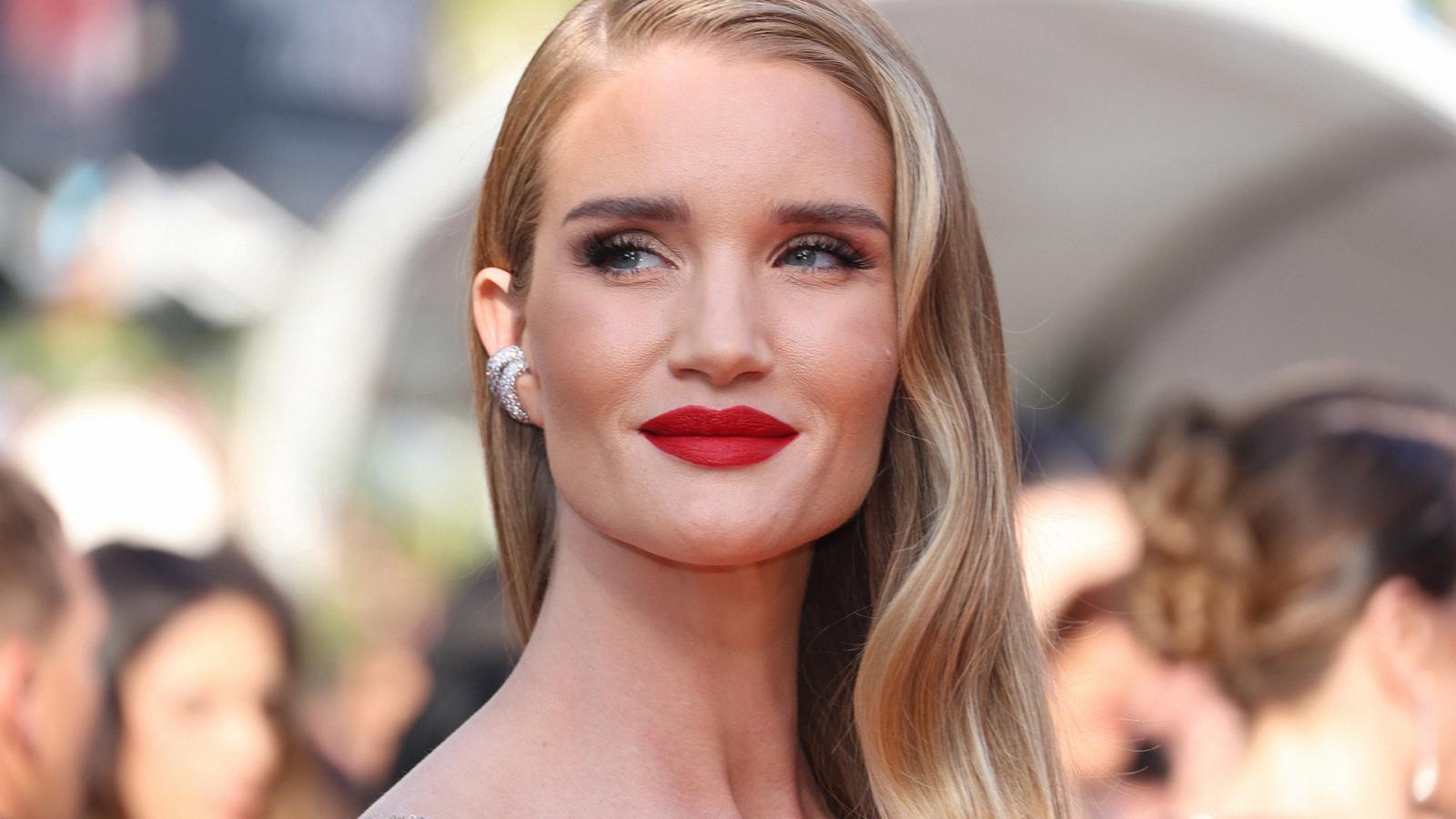
If they look too perfect, they’re accused of being artificial. If they show natural changes—weight gain, aging, scars—they’re attacked for “letting themselves go.”
This impossible standard fuels trolling. The moment a star steps outside the narrow window of “acceptable” appearance, they become fair game.
Renee Zellweger faced this for years. After her Bridget Jones comeback, critics dissected her face, accusing her of “looking like a different person.” She responded with quiet dignity: “I’m at peace with my appearance. I hope others can be too.”
But peace doesn’t stop the comments.
What Platforms Aren’t Doing—And What Could Change
Social media companies claim to combat harassment. But appearance-based bullying is rarely prioritized.
Why? Because it’s often framed as “opinion” or “humor.” A meme mocking a celebrity’s nose isn’t seen as hate speech under most content policies. But the psychological impact is the same.
Instagram and X (formerly Twitter) have tools to report abuse. But they’re reactive, not preventive. By the time a post is taken down, it’s already been shared thousands of times.
Solutions?
- Real-time moderation for high-profile accounts during viral moments
- Algorithmic suppression of degrading memes (e.g., side-by-side “before/after” edits)
- Clearer policies on body shaming and appearance-based harassment
Until then, celebrities remain vulnerable.
The Bigger Picture: Why We Participate—And How to Stop
It’s easy to blame “trolls.” But mainstream media and everyday users fuel the fire.
Think about it: - Did you share a “Leo aging” meme? - Have you commented on a celebrity’s weight in a photo? - Have you laughed at a “who wore it better” post that mocked one of the women?
These small actions normalize public humiliation.
Celebrities aren’t asking for blind praise. They’re asking for basic humanity.
As actor Daniel Kaluuya put it: “I’m not asking you to think I’m handsome. I’m asking you not to make me feel less than human because of how I look.”
What We Can Learn from the Stars Who Survived the Storm
The most resilient celebrities share a few traits:
- They own their narrative – Instead of hiding, they speak first.
- They use humor strategically – Not to deflect pain, but to disarm attackers.
- They set boundaries – Many have quit social media entirely (see: Selena Gomez, Justin Bieber).
- They seek therapy – Not as a last resort, but as routine maintenance.
And most importantly, they remind us: looks don’t define worth.
Final Word: Stop Treating Appearance as Public Property
Hollywood trolling isn’t just about celebrities. It’s a mirror of our culture’s obsession with perfection.
Every time we reduce a person’s value to their facial symmetry, weight, or aging signs, we feed a system that harms everyone—even those who seem untouchable.
The next time you see a meme mocking an A-lister’s looks, ask yourself: - Who benefits from this? - What if this were my sibling, my friend? - Am I laughing—or participating in cruelty?
Fame doesn’t erase humanity. And no one, not even an Oscar winner, should be relentlessly bullied for how they look.
It’s time to stop the horror.
Frequently Asked Questions
Why do celebrities get bullied more for their looks? Because their images are public property, and social media rewards viral content—especially content that mocks or judges appearance.
Can online trolling cause real mental health issues? Yes. Studies show that sustained online harassment can lead to anxiety, depression, PTSD, and worsening of pre-existing conditions.
Have any celebrities taken legal action against trolls? Yes. Some, like Gwyneth Paltrow and Vanessa Hudgens, have sued for defamation or harassment, though legal success varies.
Is body shaming on social media against the rules? Most platforms prohibit hate speech, but body shaming often falls into gray areas unless it includes threats or targeted harassment.
How can fans support celebrities facing trolling? By reporting abusive content, avoiding participation in memes or jokes that mock appearance, and promoting positive narratives.
Do public appearances make bullying worse? Yes. Red carpets and premieres generate thousands of photos, giving trolls fresh material to critique, crop, and distort.
Are younger stars more vulnerable to appearance-based bullying? Often, yes. Younger celebrities are still developing their public personas and may lack the emotional or institutional support to handle sustained attacks.
FAQ
What should you look for in Hollywood Trolling Horror: A-Listers Reveal Relentless Bullying? Focus on relevance, practical value, and how well the solution matches real user intent.
Is Hollywood Trolling Horror: A-Listers Reveal Relentless Bullying suitable for beginners? That depends on the workflow, but a clear step-by-step approach usually makes it easier to start.
How do you compare options around Hollywood Trolling Horror: A-Listers Reveal Relentless Bullying? Compare features, trust signals, limitations, pricing, and ease of implementation.
What mistakes should you avoid? Avoid generic choices, weak validation, and decisions based only on marketing claims.
What is the next best step? Shortlist the most relevant options, validate them quickly, and refine from real-world results.