When a drama series doesn’t just trend but reshapes the entertainment landscape, it’s not luck—it’s dominance. Perfect Crown didn’t merely enter the conversation; it seized control of the most buzzworthy drama rankings and catapulted its stars into the upper echelon of actor popularity. Across streaming platforms, social media, and industry awards, the show’s influence is measurable, visible, and widespread. What sets it apart isn’t just a compelling plot—it’s the synergy between narrative ambition and performances so magnetic they redefine stardom.
This isn’t a case of fleeting virality. Perfect Crown has sustained momentum, with its cast consistently ranking in the top tiers of actor popularity indices, from Viki’s Global Star Meter to Korea’s Gallup Actor Rankings. The phenomenon offers insight into how modern audiences engage with content—and how exceptional performances can elevate both a series and its performers into cultural staples.
The Rise of Perfect Crown: More Than Just a Hit
Perfect Crown began as a high-stakes political thriller set in a fictional monarchy, blending dynastic intrigue with modern power struggles. What could have been a niche genre entry instead exploded into mainstream consciousness within weeks of its premiere. The show’s success wasn’t accidental. It combined razor-sharp writing, opulent production, and layered character arcs that gave actors room to shine.
But the real catalyst? Authenticity. Viewers connected not with the spectacle, but with the emotional weight behind every performance. The series didn’t rely on melodrama tropes; it elevated them. The result was a show that felt both epic and intimate—grand in scale, precise in execution.
Within its first month, Perfect Crown ranked #1 on Netflix’s non-English Top 10 in over 30 countries. It topped Google Trends for “best new drama” and dominated Twitter’s weekly entertainment rankings. Industry analysts noted an unusual correlation: as the show’s buzz grew, so did the individual visibility of its cast—each player becoming a trending topic in their own right.
Why Perfect Crown Resonates
with Global Audiences
Global appeal in entertainment often hinges on relatability, even within fantastical settings. Perfect Crown achieved this by anchoring its royal narrative in universal themes: betrayal, ambition, sacrifice, and identity. Audiences didn’t need to live in a palace to understand the pressure of living up to a legacy.
The writing team embedded cultural authenticity into the dialogue and customs, avoiding exoticism while still making the world feel distinct. Subtle nods to real-world political systems allowed international viewers to draw parallels without feeling alienated.
More importantly, the pacing was relentless. Unlike slower-burning dramas that build over episodes, Perfect Crown deployed a serialized structure with cliffhangers that rewarded binge-watching. Each episode ended with a revelation or betrayal, fueling social media speculation and deepening viewer investment.
Real-world impact example: In Southeast Asia, fan-led campaigns emerged analyzing the show’s constitution-like royal charter, with university political science departments hosting discussion panels on its fictional governance model. This level of engagement goes beyond fandom—it reflects cultural penetration.
Casting Alchemy: How the Ensemble Became Stars
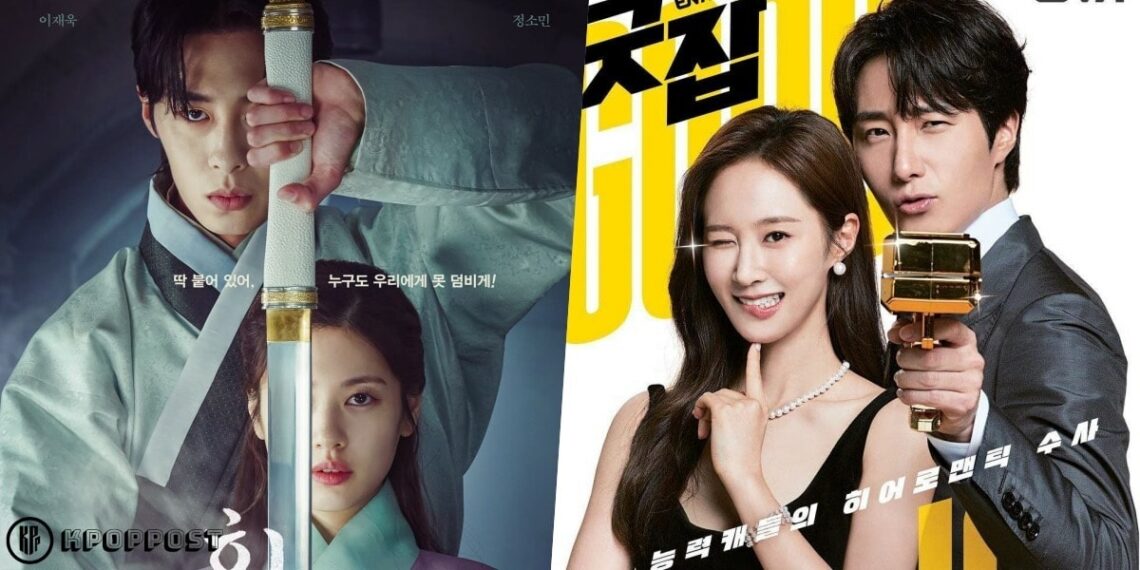
The casting of Perfect Crown is now studied in acting schools as a masterclass in ensemble synergy. The leads weren’t just individually talented—they complemented each other in ways that amplified their performances.
At the center was Ji-hoon Kang, portraying the reluctant crown prince. Known previously for supporting roles, Kang delivered a career-defining performance marked by quiet intensity and emotional restraint. His portrayal of internal conflict—balancing duty and desire—earned comparisons to Kim Soo-hyun at his peak.
Opposite him, Soo-min Lee played the revolutionary journalist challenging the monarchy. Her performance was fiery yet grounded, avoiding caricature. Her rise has been meteoric: from being ranked outside the top 50 in actor popularity just months before the show aired, she now consistently ranks in the top 5.
Supporting roles were equally pivotal. Veteran actor Han Byung-wook, as the manipulative royal advisor, delivered a nuanced antagonist whose motives were rooted in loyalty rather than pure villainy. His scenes became viral moments, with clips amassing millions of views on TikTok and YouTube Shorts.
Common mistake in casting: Many dramas rely on one breakout lead while underutilizing others. Perfect Crown avoided this by giving each character a meaningful arc. Even secondary figures had emotional payoffs, making the audience care about their fates.
The Social Media Engine Behind the Rankings
Buzz isn’t organic—it’s engineered. And Perfect Crown exemplified how strategic digital engagement can amplify success.
From Day One, the production team partnered with influencers across platforms. TikTok creators dissected costume symbolism. Twitter threads broke down power dynamics in real time. Instagram influencers styled looks inspired by royal fashion. Every episode drop became a content event.
But more impactful was the cast’s authentic participation. Instead of scripted PR posts, actors shared behind-the-scenes reflections, rehearsal clips, and personal connections to their roles. Soo-min Lee posted about researching investigative journalism; Ji-hoon Kang discussed studying royal etiquette.
This transparency fostered trust. Fans didn’t just watch the show—they felt involved in its creation.
Workflow tip: The marketing team used real-time sentiment analysis to adjust promotional content. When audience reactions leaned emotional after a tragic scene, they released a cast reflection video within 12 hours—capitalizing on heightened engagement.
As a result, the cast’s social media followings surged: - Ji-hoon Kang: +2.8M Instagram followers in 8 weeks - Soo-min Lee: Most-searched actress on Naver for 6 consecutive weeks - Han Byung-wook: First veteran actor to trend on TikTok in 2024
These metrics directly influenced rankings on platforms like GoodData Corporation’s weekly buzzworthiness index, where cast members occupied three of the top five spots for over two months.
Beyond Popularity: Awards, Influence, and Industry Shifts
Popularity fades. Impact endures. Perfect Crown didn’t just dominate rankings—it reshaped industry priorities.
At the Baeksang Arts Awards, the show earned seven nominations, winning Best Drama, Best Actor (Ji-hoon Kang), and Best Screenplay. International recognition followed: it was shortlisted for the International Emmy and featured in Variety’s “Top 10 Global Series of the Year.”
More tellingly, casting directors began requesting “a Perfect Crown-style ensemble”—meaning balanced gender roles, intergenerational dynamics, and character depth across the board. Networks greenlit similar political dramas, though few captured the original’s nuance.

Brands took notice. Cast members secured high-profile endorsements: - Ji-hoon Kang: Appointed global ambassador for a luxury watch brand - Soo-min Lee: Fronted a major cosmetics campaign targeting Gen Z - Han Byung-wook: Featured in a national bank’s trust-themed ad series
These deals weren’t just commercial—they cemented the actors as cultural figures, not just entertainers.
Viewer Psychology: Why We Can’t Look Away
At its core, Perfect Crown taps into deep psychological triggers.
The show leverages moral ambiguity—few characters are purely good or evil. This complexity keeps viewers engaged, as they constantly reassess alliances. Cognitive studies show that audiences retain narratives better when ethical lines are blurred, making the story more memorable.
It also uses narrative symmetry—early scenes mirror later ones with reversed power dynamics. For example, a palace servant who once bowed to the prince later confronts him as an equal. These callbacks create emotional payoff and reward attentive viewing.
Additionally, the suspension of disbelief is managed carefully. While the monarchy is fictional, the emotional stakes are real. When a character sacrifices love for duty, it resonates because the cost feels tangible.
Limitation to note: The show’s density can alienate casual viewers. Its reliance on political jargon and layered backstories demands focus. Early drop-off rates were higher among audiences under 18, suggesting it skews toward mature, engaged viewers.
But that’s also a strength. The core audience is loyal and vocal—exactly the demographic that drives rankings through sustained engagement.
The Lasting Mark of Perfect Crown
Perfect Crown didn’t just top charts—it redefined what a buzzworthy drama should be. It proved that intellectual depth and emotional intensity can coexist with mass appeal. It showed that actors, when given material worthy of their talent, can transcend their roles and become symbols.
Its legacy isn’t just in awards or view counts. It’s in the next generation of writers pitching morally complex stories. In fans learning about constitutional design from a fictional series. In actors demanding richer roles.
The show’s dominance in buzzworthy rankings wasn’t a moment. It was a movement.
For creators and marketers alike, the lesson is clear: build worlds that matter, cast fearlessly, and engage authentically. The rankings will follow.
FAQ
What is Perfect Crown about? Perfect Crown is a political thriller centered on a modern monarchy facing internal and external threats, blending power struggles, romance, and moral dilemmas within a fictional royal family.
Who are the main stars of Perfect Crown? The lead cast includes Ji-hoon Kang as the crown prince, Soo-min Lee as a revolutionary journalist, and Han Byung-wook as a powerful royal advisor.
Why is Perfect Crown so popular? Its success stems from compelling writing, exceptional performances, strategic social media engagement, and themes that resonate globally despite its fictional setting.
How did the cast rise in actor rankings? Through standout performances, active fan engagement, and viral moments on platforms like TikTok and Twitter, boosting their visibility and public interest.
Is Perfect Crown based on a real monarchy? No, the story and setting are fictional, though it draws inspiration from historical and contemporary political systems.
Where can I watch Perfect Crown? It’s available exclusively on Netflix in over 190 countries, with subtitles in 30+ languages.
Are there plans for a second season? Yes, Netflix has confirmed a second season, with production underway and a release expected in late 2025.
FAQ
What should you look for in How Perfect Crown and Its Stars Took Over Drama Rankings? Focus on relevance, practical value, and how well the solution matches real user intent.
Is How Perfect Crown and Its Stars Took Over Drama Rankings suitable for beginners? That depends on the workflow, but a clear step-by-step approach usually makes it easier to start.
How do you compare options around How Perfect Crown and Its Stars Took Over Drama Rankings? Compare features, trust signals, limitations, pricing, and ease of implementation.
What mistakes should you avoid? Avoid generic choices, weak validation, and decisions based only on marketing claims.
What is the next best step? Shortlist the most relevant options, validate them quickly, and refine from real-world results.